
Global crude oil markets witnessed a sharp rally on Friday following heightened geopolitical tensions between Iran and Israel. WTI Crude Futures surged by 7.2% to settle at $72.98 per barrel, while Brent Crude prices climbed 7.02% to $74.23 per barrel. Natural gas prices also edged higher, rising 2.55% to $3.58 per MMBtu.
The rally was largely driven by fears of potential supply disruptions from Iran, a key oil producer whose average crude output is estimated between 3.3 to 4.0 million barrels per day. While there has been no reported impact on current production levels, market participants are closely watching for any escalation that could disrupt output. Analysts suggest that Saudi Arabia and the UAE could collectively step in with an additional 3.5 million barrels per day, if needed, to stabilise supply.
Strait of Hormuz in Focus
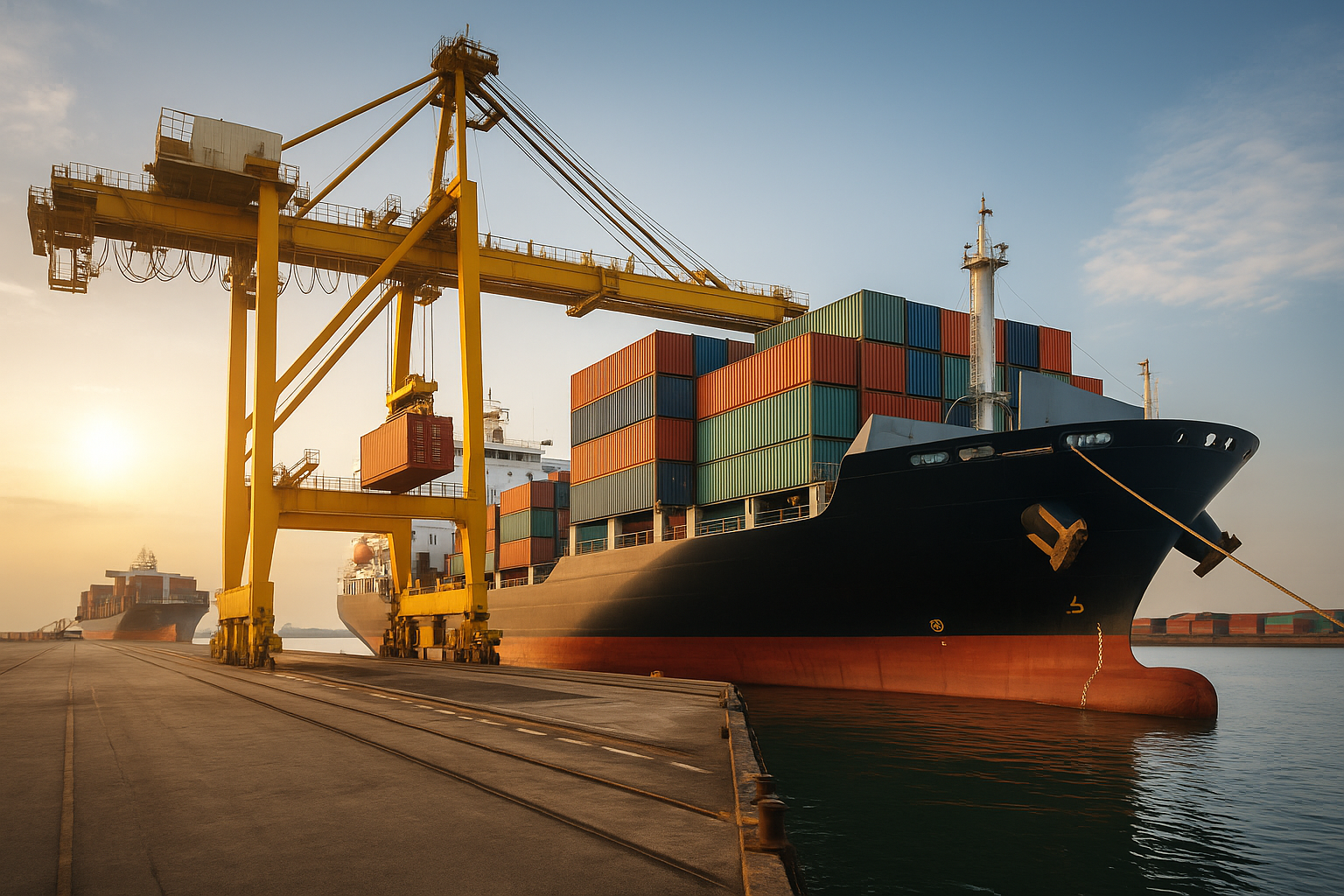
Market attention has sharply turned to the Strait of Hormuz, a critical maritime chokepoint through which nearly 20% of global oil flows. Any military escalation that leads to a blockade or restricted movement through the strait could trigger further price spikes, industry observers warned.
EU Price Cap Proposal on Russian Crude Adds to Volatility
Adding to the volatility, the European Union's on 10 June 2025 proposal to lower the price cap on Russian crude from $60 to $45 per barrel— sparked brief bearish sentiment earlier in the week. The move raised market speculation that discounted Russian barrels could enter the market in higher volumes, potentially weighing on prices.
However, the bearish outlook quickly shifted as war risks in the Middle East overshadowed the impact of the proposed price cap. The escalating Iran-Israel conflict has reintroduced concerns over major supply disruptions, particularly in a region that remains central to global energy logistics.
Broader Economic Concerns Compound Market Uncertainty
The oil market remains under the shadow of weak macroeconomic fundamentals. Global recession fears persist amid ongoing geopolitical flashpoints, including the prolonged Russia–Ukraine conflict and newly announced retaliatory tariffs by the United States. These overlapping challenges have created a complex and unstable market environment, prompting heightened caution among investors and traders.